
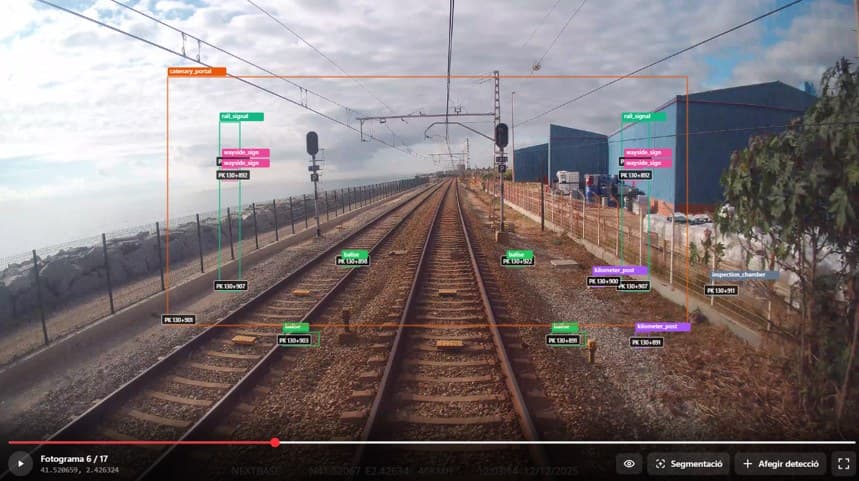
Detection and classification
Assets identified on each frame and tagged with railway kilometre-point references.
Every output below is derived from the same cab-ride footage — detection, segmentation, georeferencing and 3D reconstruction, on real inspected corridors.
Assets identified on each frame and tagged with railway kilometre-point references.
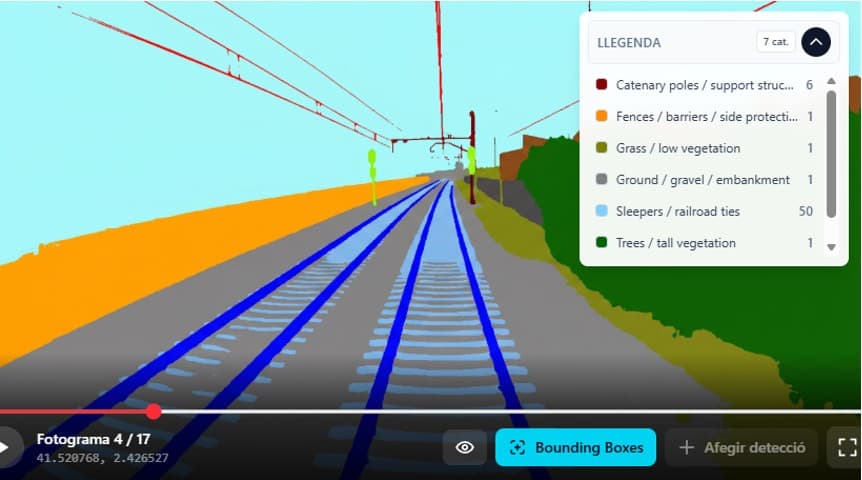
The corridor scene split pixel-wise into asset classes, ground, sleepers and vegetation.
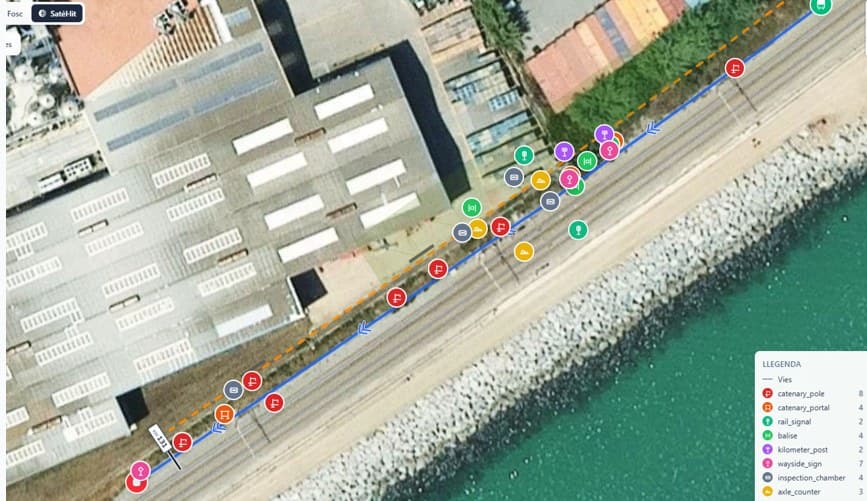
Detected assets placed on the track alignment over satellite imagery by asset type.
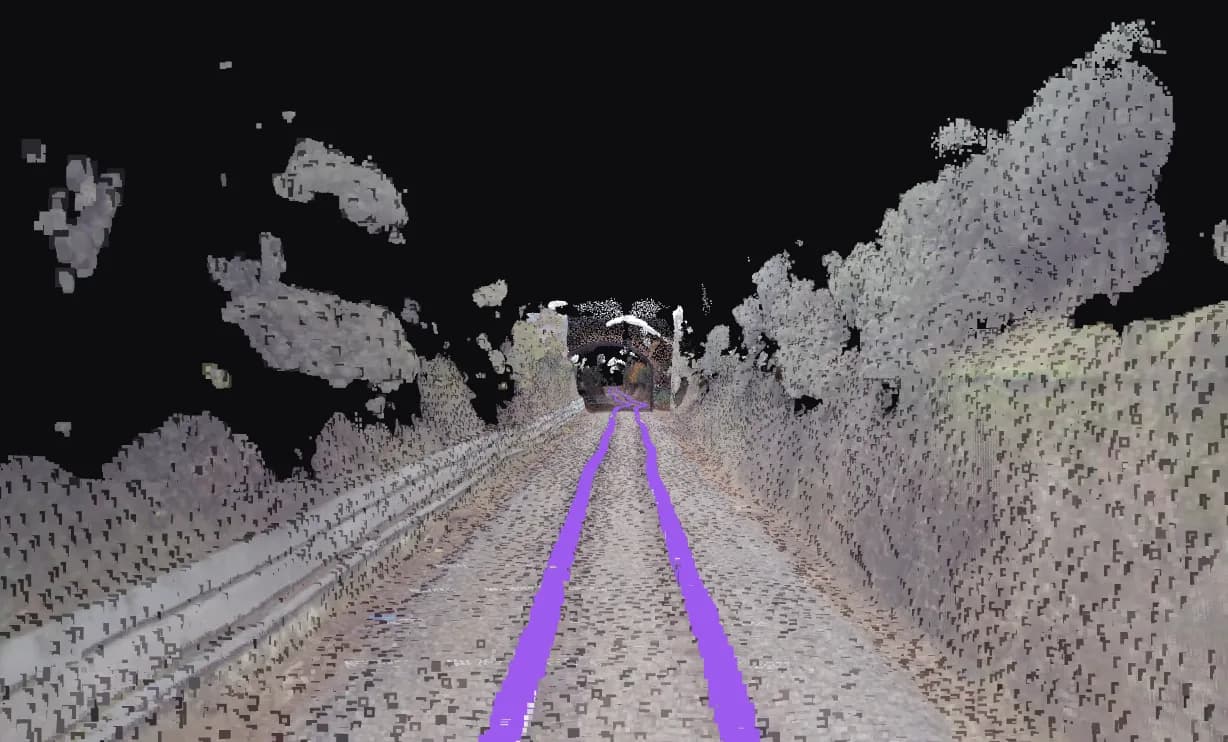
A point cloud rebuilt from cab-ride video to provide geometric context around the track.
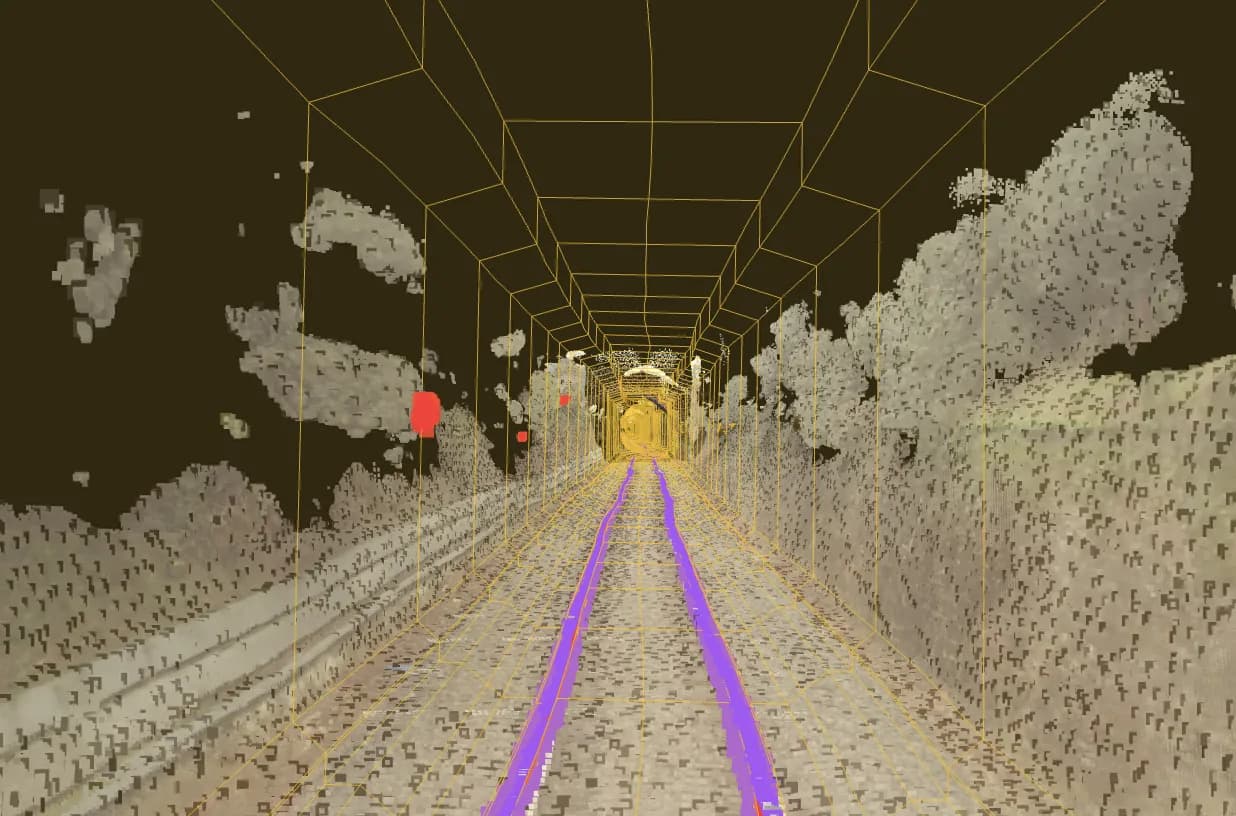
Collision detection between the 3D digital model and obstacle clearance gauges. Collision risk evaluation.
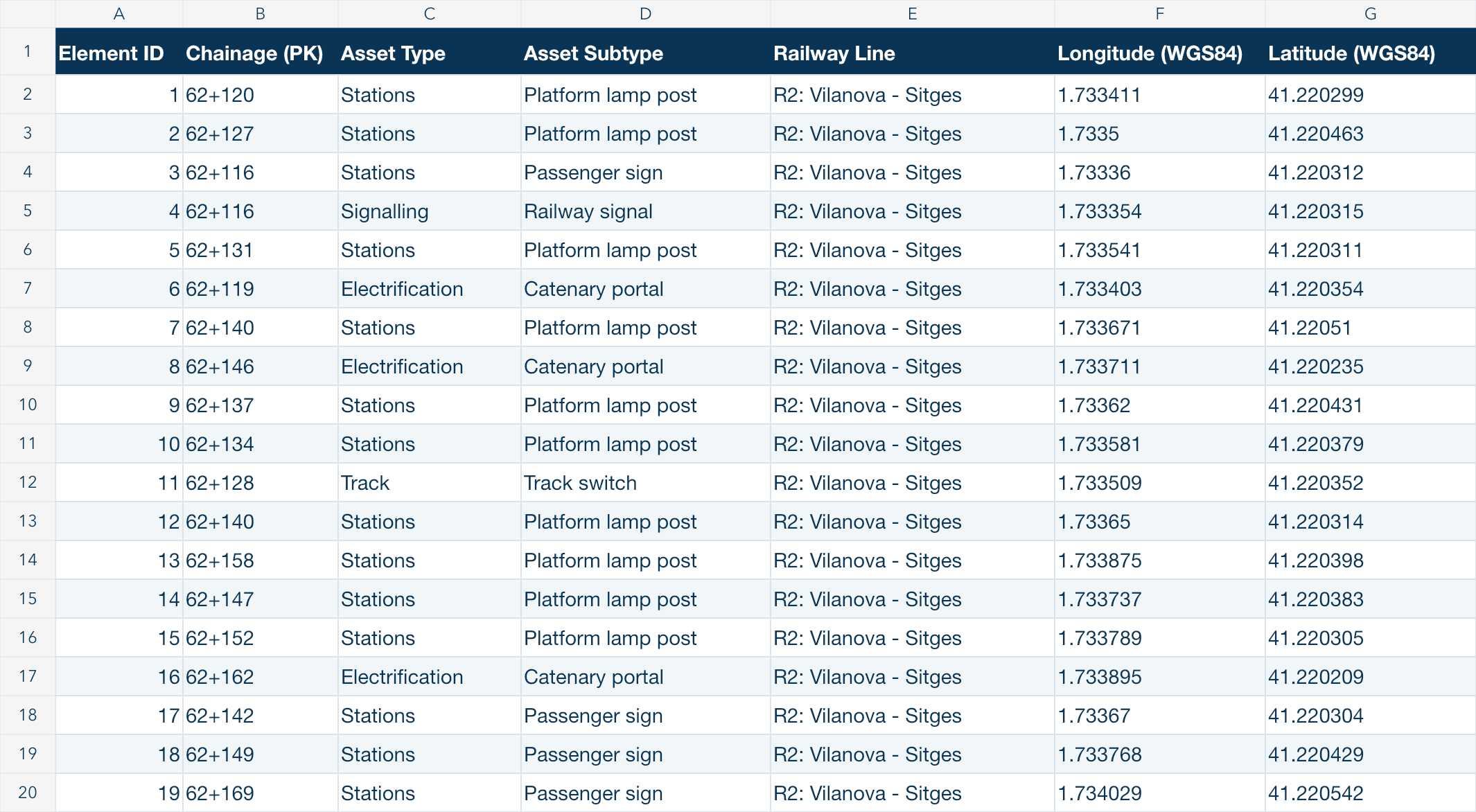
All detected assets are recorded in exportable datasets. Each element is georeferenced and catalogued, suitable for asset inventory purposes and enabling its integration into asset management systems and supporting inspection, maintenance planning, and lifecycle management activities.
RAILDEX is a digital railway solution developed by BEWS – Barcelona Engineering Workshop, an engineering company specialized in the planning, design and development of railway infrastructure projects.
Our team is made up of civil engineers with more than 25 years of international experience across railway, metro and urban transit projects. Over the years, our engineers have contributed to the design of more than 300 km of railway and 50 km of metro infrastructure in different international contexts.
This strong railway engineering background is combined with the expertise of a dedicated team of software and data engineers, allowing us to integrate technologies such as artificial intelligence, computer vision, georeferenced data processing and 3D digital modelling into practical engineering workflows.
RAILDEX was created from this combination of railway engineering knowledge and digital technology, with a clear objective: to develop a tool conceived by railway engineers, for railway professionals. It is designed to respond to the real operational needs of engineering companies, infrastructure managers and railway administrations, supporting network digitalisation, asset inventory, inspection, maintenance planning and infrastructure management.
Visit the BEWS website
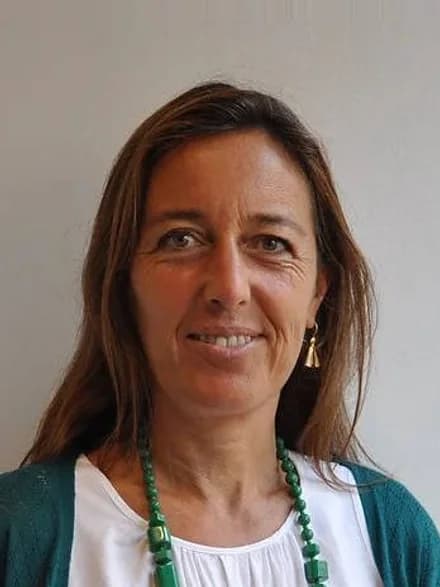
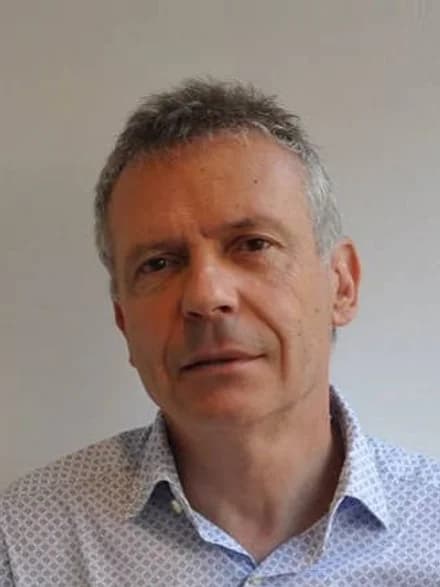
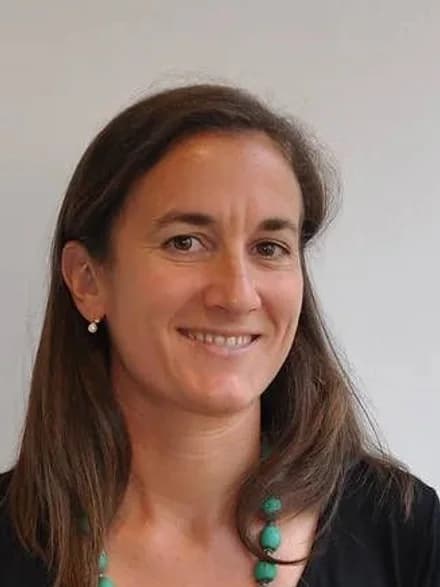
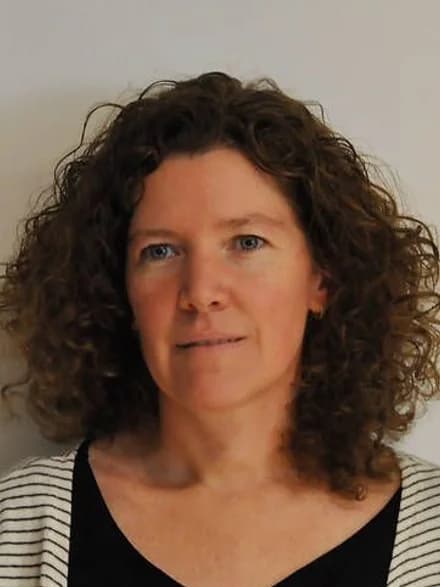




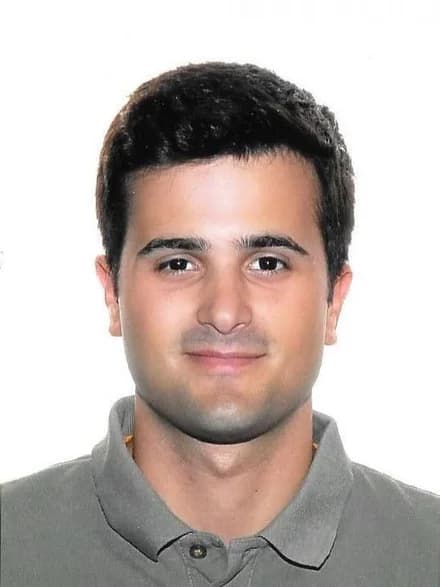


The people behind RAILDEX — railway engineers and software engineers, in Barcelona.
What RAILDEX detects, who it is for, what the asset data is used for, and how videos and pilots work on your line.
Signalling elements, electrification and catenary supports, trackside equipment, kilometre posts and reference markers, safety and protection elements, civil works elements, operational equipment and other line-side assets. The exact asset families are adapted to the video quality, the calibration level and your objectives.
Railway administrations and infrastructure owners, operators and concessionaires, maintenance companies, contractors, engineering firms and inspection companies. The approach applies to conventional rail, high-speed rail, metro, light rail, freight lines and industrial railways.
Creating, completing or updating asset inventories, locating assets for corrective maintenance, building a visual basis for repeated inspections and predictive maintenance, monitoring concessions, and giving designers and contractors reliable knowledge of existing corridors before projects and works.
Not necessarily. We can analyse existing cab-ride recordings if the image quality is sufficient, or help you plan new recordings from regular services or dedicated inspection runs. Send us what you have and we will tell you if it works.
An example of an inspected railway route, visual outputs from the calibrated viewer, sample asset tables, screenshots of detected and located assets, and technical notes on the inspection workflow. Request them through the contact form and we will send them to your professional email.
We agree on a corridor and the target asset families, analyse existing or newly recorded videos, and deliver the results as structured asset data in the RAILDEX viewer. Pilots are adapted to your objectives: inventory, maintenance support, inspection planning or digitalisation of an existing line.
Yes. We are looking for commercial partners, local agents and technical collaborators with access to railway infrastructure markets worldwide. Choose “Commercial partnership” in the contact form and tell us about your market and clients.
Ask for the sample routes, a demo or a pilot on your line. Tell us briefly what videos you have and what you want to achieve, and we will get back to you.
Prefer email? Write to us at [email protected] and we will reply directly.